
Skin Diseases: A Comprehensive List with Pictures
Looking for information on skin diseases? You’ve come to the right place! In this blog post, we will provide a comprehensive list of skin conditions, along with pictures. We will also discuss the different treatments available for each condition.
If you are experiencing any skin problems, it is important to see an online dermatologist as soon as possible. They will be able to diagnose your condition and recommend the best treatment plan for you.
Acne
 Acne is a common and persistent skin condition that affects millions of people around the world. Acne is characterised by the appearance of pimples, blackheads or whiteheads on the skin. Although acne is most commonly associated with puberty, it can also affect adults of all ages.
There are many different factors that can contribute to the development of acne, including hormones, genetics, diet and stress levels. In order to improve acne make sure you are doing the following:
- limiting the amount of sugar you are eating
- Getting 8 hours of sleep
- Changing your bed covers to avoid sweat and grease (silk pillows also help)
- Use organic products
- Don’t over-exfoliate
The good news is that there are a number of effective treatments available for acne sufferers. In mild cases, over-the-counter medication may be enough to clear up the problem. For more severe acne, prescription medication may be necessary.
In any case, it is important to see an online dermatologist for proper diagnosis and treatment. With the right approach, acne can be effectively managed and even prevented.
Below are just examples of Acne, at Dermacare we work with the best doctors in the dermatology space to ensure that we can diagnose and treat your specific case. All you simply have to do is send a photo of the affected area and we take care of the rest whilst providing a detailed report of the Acne.
Rosacea
 Rosacea is a chronic skin condition that causes redness and inflammation on the face. It is often mistaken for Eczema or acne, but it is a separate condition with its own set of causes, symptoms and solutions. T
he exact cause of Rosacea is unknown, but it is thought to be related to a combination of genetic and environmental factors. Common triggers include stress, sun exposure, hot weather, alcohol consumption and certain foods.
Symptoms of Rosacea can vary from mild redness and flushing to more severe inflammation and swelling. In some cases, the condition can also lead to the formation of pus-filled bumps. Treatment for Rosacea typically involves a combination of lifestyle changes and medication. avoiding triggers, using sunscreen and managing stress can help to control flare-ups.
For more severe cases, oral antibiotics or topical treatments may be necessary. If you think you may have Rosacea, it is important to see a dermatologist for diagnosis and treatment. Many people are embarrassed to seek help for this condition, but there are effective treatments available that can improve your quality of life. With the help of an online dermatologist, you can get the treatment you need from the comfort of your own home and have a plan for immediate action.
Eczema
 Eczema is a condition that causes the skin to become irritated and inflamed. The most common type of eczema, atopic dermatitis, typically begins in childhood. However, it can also occur in adults.
Eczema is not contagious, but it can be uncomfortable and inconvenient. Symptoms include dry, scaly skin, itching, redness, and swelling. Eczema can be triggered by a number of factors, including allergies, stress, weather changes, and irritants such as soap or detergent.
While there is no cure for eczema, there are several ways to manage the condition and minimize its symptoms. Below are some of the most effective ways you can help to control eczema:
- Identify and avoid causes that aggravate the disease. Sweat, stress, obesity, soaps, detergents, dust, and pollen can all aggravate the skin reaction. Reduce your contact with your triggers.
- Stay away from certain foods, such as eggs, milk, soy, and wheat, can cause flares in infants and children. Consult your child’s doctor about probable food allergies.
- Reduce the length of your baths or showers. Bathe and shower for 10 to 15 minutes at a time. Also, use warm water rather than hot.
- Bathe in bleach. A diluted-bleach bath reduces microorganisms on the skin and diseases associated with them. Add 1/2 cup (118 millilitres) of household bleach, not concentrated bleach, to a 40-gallon (151-litre) bathtub filled with warm water. Soak for around 10 minutes from the neck down or simply the afflicted regions of the skin. Avoid submerging the head. Bathe in bleach no more than twice a week.
For people with severe eczema, light therapy or oral medications may also be recommended. Consulting an online dermatologist can help you determine the best course of treatment for your eczema.
Skin Rashes
 Skin rashes are a common problem, affecting both children and adults. There are many different causes of skin rashes, including viral infections, bacterial infections, allergies, and irritating substances. The symptoms of a skin rash can vary depending on the cause, but they often include redness, itching, and swelling. In some cases, rashes may also cause blisters or bumps.
Treating a skin rash usually involves identifying the underlying cause and then taking steps to relieve the symptoms. For example, if an allergy is causing the rash, you may need to avoid the triggering substance. If a bacterial infection is to blame, you may need to use antibiotics. In most cases, however, simple home treatments such as cool compresses and over-the-counter creams can provide relief from the symptoms of a skin rash.
Many people make the mistake when it comes to skin rashes, of thinking that they can simply ignore them and hope that they will go away on their own. However, this is often not the case. If you have a skin rash that is causing you discomfort, it is important to see a dermatologist for diagnosis and treatment.
It’s also important to note that you should avoid direct sunlight and sweating when you are suffering from a skin rash. If the rash is on your face, you should also avoid wearing makeup until it has cleared up. By taking these simple steps you should avoid an even worse flare-up.
Psoriasis
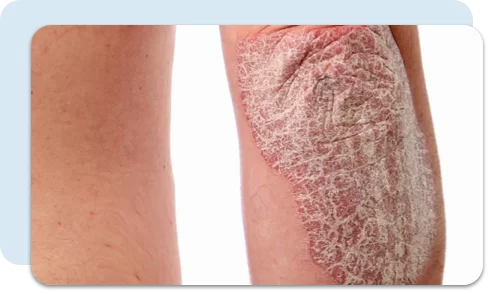 Psoriasis is a chronic skin condition that causes the development of scaly, red patches on the skin. The exact cause of psoriasis is unknown, but it is thought to be related to an overactive immune system. Did you know psoriasis affects around 3% of the world’s population?
Psoriasis often develops in people who have a family history of the condition, and it tends to be most common in adults between the ages of 30 and 50. Symptoms of psoriasis can vary from mild to severe and may include itching, burning, and soreness.
In some cases, the patches can also become crusted or inflamed. There is no cure for psoriasis, but there are several treatments that can help to control the symptoms. These include topical medications, light therapy, and oral drugs. With proper treatment, most people with psoriasis can manage their symptoms and enjoy a good quality of life.
Below is a list of the different types of Psoriasis:
Plaque psoriasis
This is the most common type of psoriasis, and it causes patches of thick, scaly skin. The patches are often red and inflamed, and they can be very itchy. Plaque psoriasis usually develops on the knees, elbows, and scalp.
Guttate psoriasis
This type of psoriasis often develops in children or young adults. It is characterized by small, scaly patches that develop on the trunk, arms, and legs. Guttate psoriasis is often triggered by a viral infection.
Inverse psoriasis
This form of psoriasis typically affects the skin in the armpits, groin, and beneath the breasts. It is characterised by red, inflamed patches that do not have a thick, scaly texture.
Pustular psoriasis
This type of psoriasis can be very severe. It is characterised by red, inflamed skin that is covered in small, pus-filled bumps. Pustular psoriasis can develop on any part of the body, but it is most common on the hands and feet. If you have this type of psoriasis it’s crucial you get in contact with us as soon as possible.
Hair Loss
 Hair loss is a common problem that can be caused by a variety of factors, including stress, diet, hormones, and certain medications. While it can be upsetting to see your hair fall out, it’s important to remember that hair loss is usually temporary and can be treated.
The first step in addressing hair loss is to identify the underlying cause. If you are experiencing sudden, dramatic hair loss, it may be due to stress or an underlying medical condition. If your hair loss is gradual and seems to be linked to changes in your diet or lifestyle, it may be due to poor nutrition or hormonal imbalances.
Once the cause of your hair loss has been determined, there are a number of treatments available. If your hair loss is due to stress or a medical condition, your doctor will work with you to create a treatment plan. If your hair loss is due to poor nutrition, you may need to make some changes to your diet. If your hair loss is due to hormonal imbalances, there are a number of medications that can help. Whatever the cause of your hair loss, there are solutions available. Don’t hesitate to talk to us about your options.
To prevent hair loss from worsening:
- Hairstyles that tug on the hair should be avoided.
- High-heat hair styling equipment should be avoided.
- Don’t bleach or chemically treat your hair.
- Use a shampoo that is gentle on your hair.
- Make use of a delicate brush composed of natural fibres.
- Consider using low-level light treatment.
Urticaria
 Urticaria, also known as hives, is a skin reaction characterised by raised, red welts. The welts can vary in size and appear either as a single bump or in clusters. They are often itchy and may cause burning or stinging sensations. Urticaria can be triggered by a number of factors, including certain foods, medications, insect bites, and latex. In some cases, the exact cause of the reaction is unknown.
Symptoms typically last for less than six weeks and resolve without treatment. However, in some cases, urticaria can be chronic and last for months or even years. Treatment options include antihistamines and avoidance of triggers. In severe cases, corticosteroids may be prescribed. With proper management, most people with urticaria can control their symptoms and enjoy a good quality of life.
The main difference between urticaria and skin rashes is that urticaria welts are usually raised and have a defined edge, while skin rashes can be flat or raised and may not have a well-defined edge. Below are some other tips to help prevent and manage urticaria:
- Avoid triggers, if possible.
- Take antihistamines to relieve symptoms.
- Use a cool compress to soothe itching.
- Apply a topical corticosteroid cream or ointment if symptoms are severe.
- Avoid touching or scratching the skin.
- Dress your youngster in loose-fitting garments to reduce pressure hives.
- Use gentle soaps on your skin and while washing your clothing.
- If your child is sun-sensitive, make sure he or she wears sunblock and long sleeves and pants.
- Wash your hands after handling pets.
Sunspots
 Sunspots are a common skin condition that can be caused by a variety of factors, including prolonged sun exposure, certain medications, and underlying medical conditions. Sunspots typically appear as large, dark patches on the skin, and can range in size from a few millimetres to several centimetres.
While they are not usually painful or itchy, sunspots can be unsightly, and some people may feel self-conscious about them. There are a number of treatments available for sunspots, including topical creams, laser therapy, and cryotherapy. Remember if you have sun spots, it is best to avoid exposure to the sun and to wear sunscreen with an SPF of 30 or higher.
In most cases, sunspots will eventually fade on their own. However, if you are concerned about the appearance of sunspots, it is best to consult an online dermatologist for an evaluation.
Conclusion
We hope that this comprehensive list of skin diseases was helpful. Please remember that this is not a substitute for medical advice from a doctor. If you are experiencing any symptoms that concern you, please see a healthcare professional as soon as possible. At Dermacare, we want to help you take care of your health and feel your best. Have you ever had a skin disease? What was it like? Let us know in the comments below.