
Newborns and Infants: Addressing the 5 Most Common Skin Problems
The upbringing of a newborn or infant often involves addressing various dermatological issues that can arise from the first days of life, with causes varying widely. Understanding these common skin conditions can help parents and caregivers manage and treat them effectively.
The team of dermatologists at Dermacare (dermacare.docandu.com), the digital platform of Docandu for diagnosing dermatological symptoms, has compiled the five most common dermatological problems that may occur in a newborn or infant.
1. Diaper Dermatitis
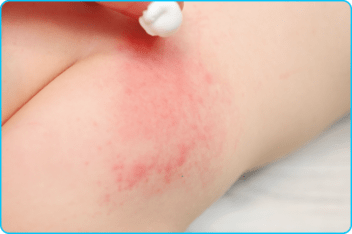
Diaper dermatitis, often referred to as diaper rash, is a common condition that affects babies due to the use of diapers. The area covered by the diaper can develop a characteristic red rash that may cause stinging or itching. These rashes are primarily caused by prolonged exposure of the baby’s skin to a wet or dirty diaper, which creates an environment conducive to skin irritation and infection.
Treatment: The most effective way to prevent and treat diaper rash is to keep the diaper area clean and dry. Change diapers frequently, allowing the skin to air out as much as possible. Applying a cream that strengthens the skin barrier can also be beneficial for the baby’s sensitive skin. If the rash does not improve with these measures, it is important to consult your pediatrician, as specialized treatment may be required.
2. Seborrheic Dermatitis
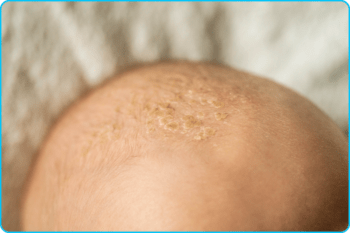
Seborrheic dermatitis is another common dermatological condition in infants. It appears as scales or greasy flakes on the infant’s scalp, face, and upper body. While it is not painful or itchy, it can be characterized by thick white or yellow plaques that are difficult to remove and may have a distinctive odor. On the scalp, this condition is commonly known as cradle cap.
Treatment: Seborrheic dermatitis typically resolves on its own within a few months. To help manage the condition, soften the scales with a special oil and then gently brush with a soft brush to remove them. If the condition persists or spreads, the pediatrician may recommend a medicated shampoo to help alleviate the symptoms.
3. Eczema (or Atopic Dermatitis)
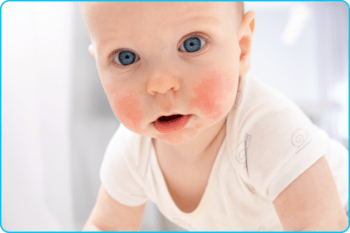
Eczema, or atopic dermatitis, is a chronic condition that is common in infants. It usually presents as redness with itching being the most frequent symptom. Eczema often affects the face, around the neck, and as the child grows, the inside of the elbows and behind the knees. This condition may be related to allergies or asthma and often involves dry skin that may peel.
Treatment: Managing atopic eczema involves a combination of strategies. Baby baths should be limited to 10 minutes using lukewarm water, and mild skin cleansers should be used. Vigorous rubbing during drying should be avoided to prevent further irritation. Regular moisturizing with special hypoallergenic creams and ointments is essential to maintain skin hydration and reduce flare-ups. In severe cases, a pediatrician may prescribe topical medications to manage the symptoms.
4. Infant and Neonatal Acne
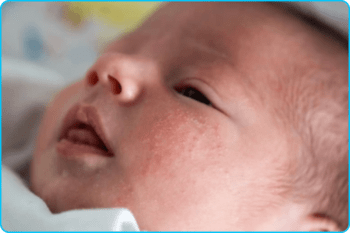
Infant and neonatal acne are conditions that usually appear as small red or white spots on the face of a newborn or infant. In neonates, it typically develops within the first two to four weeks after birth and is believed to be influenced by maternal hormones. In infants, it is related to increased sebum production and hereditary factors.
Treatment: Infant and neonatal acne usually resolve on their own without any treatment. To improve the appearance of the lesions, gently clean the affected skin with water and a mild cleanser. Avoid using oily products, as they can exacerbate the condition. If infant acne does not clear up on its own, it is advisable to consult your pediatrician or dermatologist for further evaluation and treatment.
5. Peeling
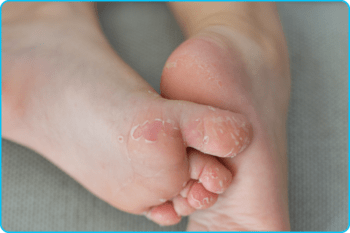
Peeling is a common dermatological symptom in newborns, appearing within the first days of life. It can be more intense on their palms, soles, and elbows. This phenomenon is completely normal and usually resolves on its own after a few days as the baby’s skin adapts to the new environment outside the womb.
Treatment: While peeling is generally harmless, it is important to ask your pediatrician if using a baby moisturizer could help improve the condition. Persistent peeling, however, may be related to other conditions such as dry skin (ichthyosis) or eczema. Therefore, if the peeling does not subside, it is essential to seek your pediatrician’s advice to rule out any underlying issues.
Through Dermacare (derma.docandu.com/check-up), you can identify any skin issues your baby might have, receive a remote dermatological evaluation, and get medical advice from a dermatologist for the specific problem you’re dealing with.